3D Printing in Industrial Manufacturing: Cost, Speed, and Efficiency
#Apr 18, 2025
The world of industrial manufacturing is undergoing a significant transformation driven by technological advancements. At the heart of this transformation lies 3D printing technology, which has revolutionized low-volume production, custom designs, and rapid prototyping processes. This technology can significantly reduce both production time and costs.
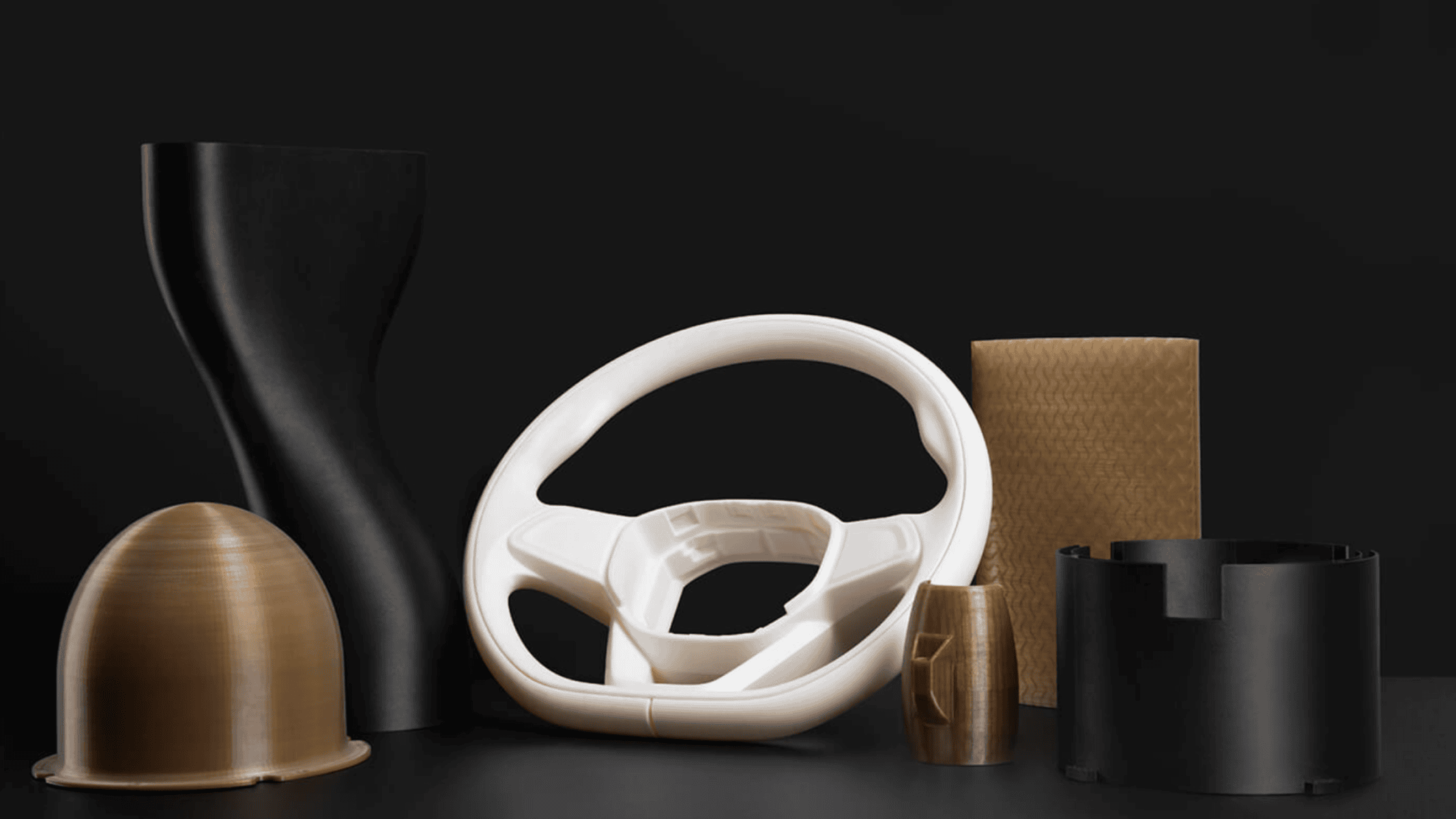
Used actively in various sectors from automotive to medical, defense to architecture, 3D printers bring flexibility, speed, and efficiency to manufacturing processes. Complex part designs that are difficult to produce using traditional methods can now be manufactured within hours thanks to 3D printing technology.
What Is 3D Printing?
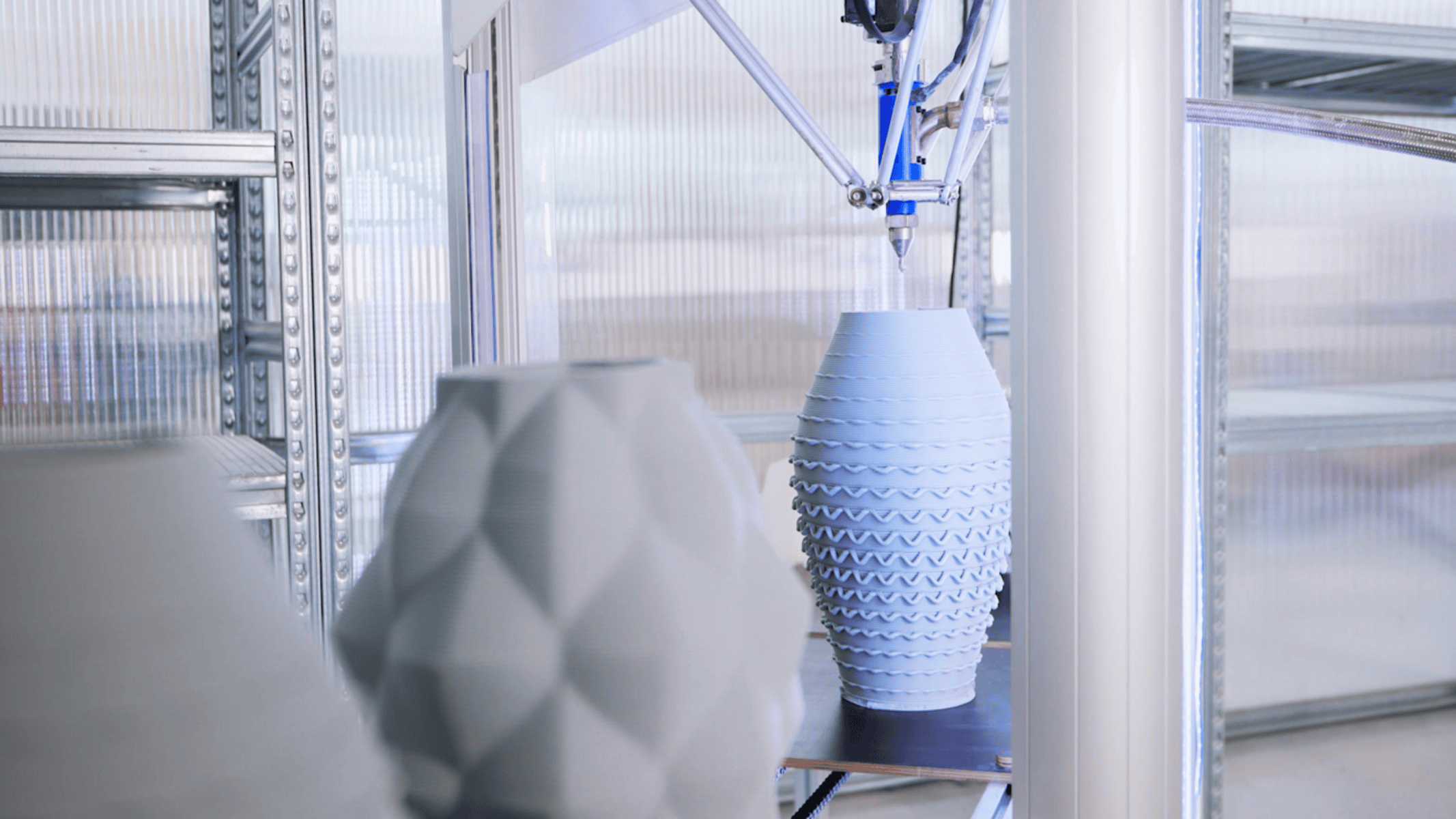
3D printing, also known as additive manufacturing, enables the transformation of a digital model into a physical object layer by layer. Models created using Computer-Aided Design (CAD) software are analyzed by printer software and then built layer by layer using the selected material.
While traditional manufacturing methods typically involve subtractive techniques (like milling or turning) or molding, 3D printing builds parts by adding material, which reduces material waste and yields faster results.
How Does the 3D Printing Process Work?
The transformation of a digital design file into a physical object through 3D printing involves the following steps:
- Modeling: A 3D model of the part is created using CAD software. Alternatively, a digital model can be generated using a 3D scanner.
- Slicing: The 3D model is sliced into micron-level layers by the printer software. Each layer contains a set of instructions for the printer.
- Printing: The prepared file is sent to the printer, which builds the object layer by layer using the designated material (filament, resin, metal powder, etc.) through melting or curing.
- Post-Processing: Depending on the use case, surface finishing, painting, assembly, or mechanical testing may be required after printing.
Thanks to this process, a product can go from idea to production in just a few hours.
What Materials Can Be Used in 3D Printing?
One of the biggest advantages of 3D printing technology is the wide range of materials that can be used, including:
- Thermoplastics (PLA, ABS, PETG): Commonly used for prototyping and cost-effective parts. Eco-friendly options are also available.
- Engineering Plastics (Nylon, PC, ULTEM): Ideal for industrial parts that require high strength and heat resistance.
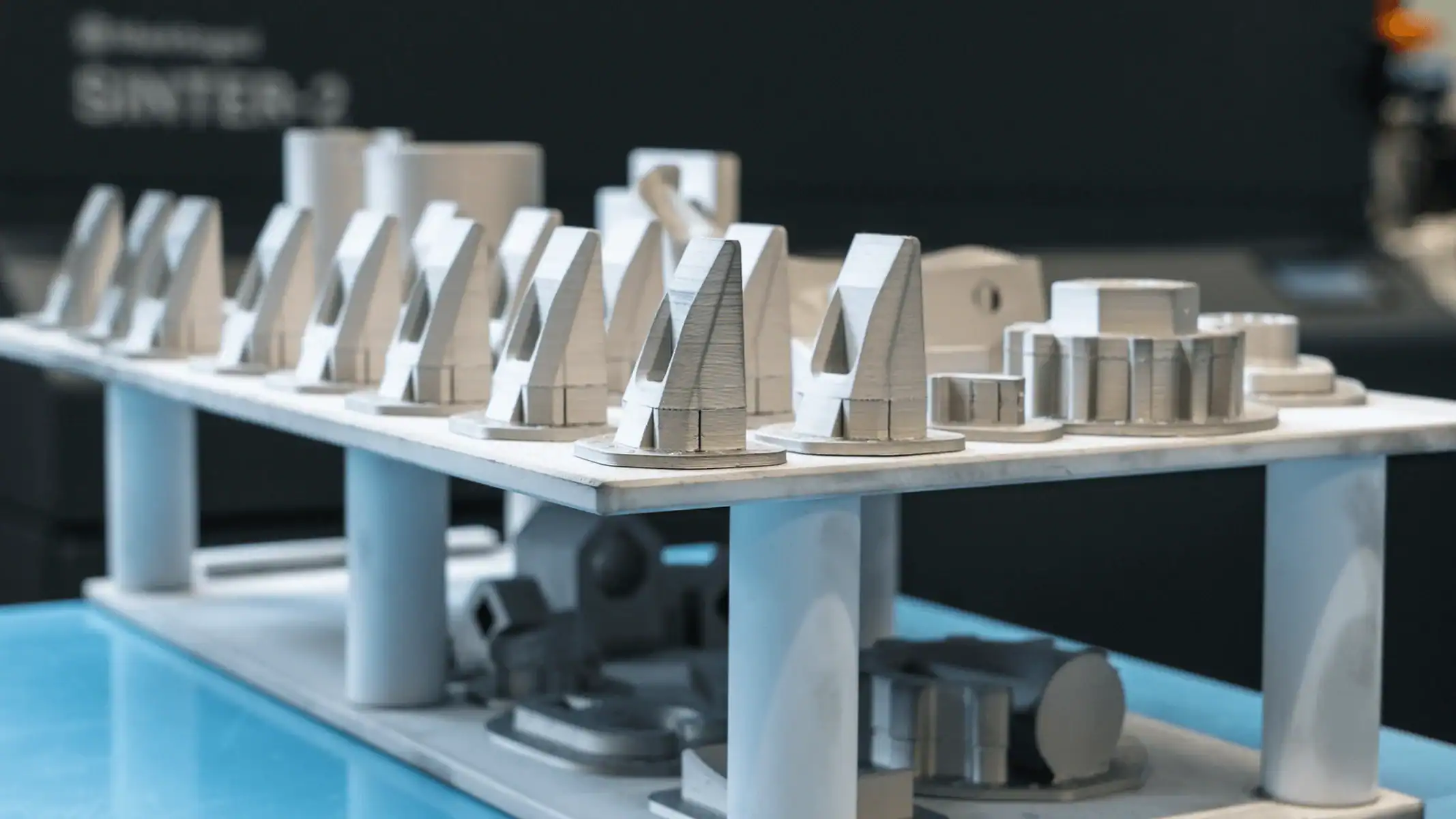
- Metals (Titanium, Aluminum, Stainless Steel): Suitable for producing durable parts in aerospace, automotive, and medical industries.
- Composites (Carbon fiber, Glass fiber reinforced filaments): Used in projects requiring high strength and low weight.
- Resins: Suitable for detailed and aesthetic prints; frequently used in dentistry and jewelry design.
Material selection should be based on the intended use and required technical specifications of the part.
Advantages of Industrial 3D Printing
Industrial-grade 3D printer technology offers several advantages over traditional manufacturing methods:
1. Cost Savings
- Eliminates the need for molds and tooling.
- Reduces unit cost in low-volume production.
- Minimizes material waste.
2. Time Savings
- Prototypes can be completed within hours.
- Accelerates product development and shortens time to market.
3. Design Freedom
- Enables the production of complex or interwoven designs that are impossible with traditional methods.
- Allows for single-part production without assembly.
4. Sustainability
- Environmentally friendly with low waste production.
- On-demand manufacturing eliminates the need for large inventories.
5. Customization
- Each product can be tailored to individual customer needs.
- Examples include patient-specific implants and prosthetics in the medical sector.

Industrial Solutions with 3D Promakim
As one of the pioneering companies in industrial 3D printing in Turkey, 3D Promakim contributes to the digital transformation of various industries with its professional solutions. In addition to product sales, 3D Promakim stands out with its consulting, technical support, and training services.
Some of the specialized solutions offered by 3D Promakim include:
- Metal 3D Printers: Used to manufacture high-strength components.
- Carbon Fiber 3D Printers: Ideal for companies seeking lightweight yet durable parts.
- High-Temperature 3D Printers: Suitable for industrial production using high-temperature resistant filaments like ULTEM.
- 3D Printing as a Service: Provides rapid prototyping and sample production for companies without their own printers.
For more detailed information and product options, you can also visit the [3D Promakim Products page].
The Future of Manufacturing Is Being Shaped by 3D
3D printing technology is no longer just an alternative in industrial manufacturing—it is becoming the primary solution in many scenarios. With the advantages it offers in cost, time, and resource management, it strengthens companies’ competitiveness and opens up opportunities for innovation.
If you want to add speed, flexibility, and efficiency to your production processes, you can become a part of this transformation by working with 3D Promakim.