How to Achieve Cost Advantages in Mold and Prototype Production with 3D Metal Printing?
#Sep 19, 2025
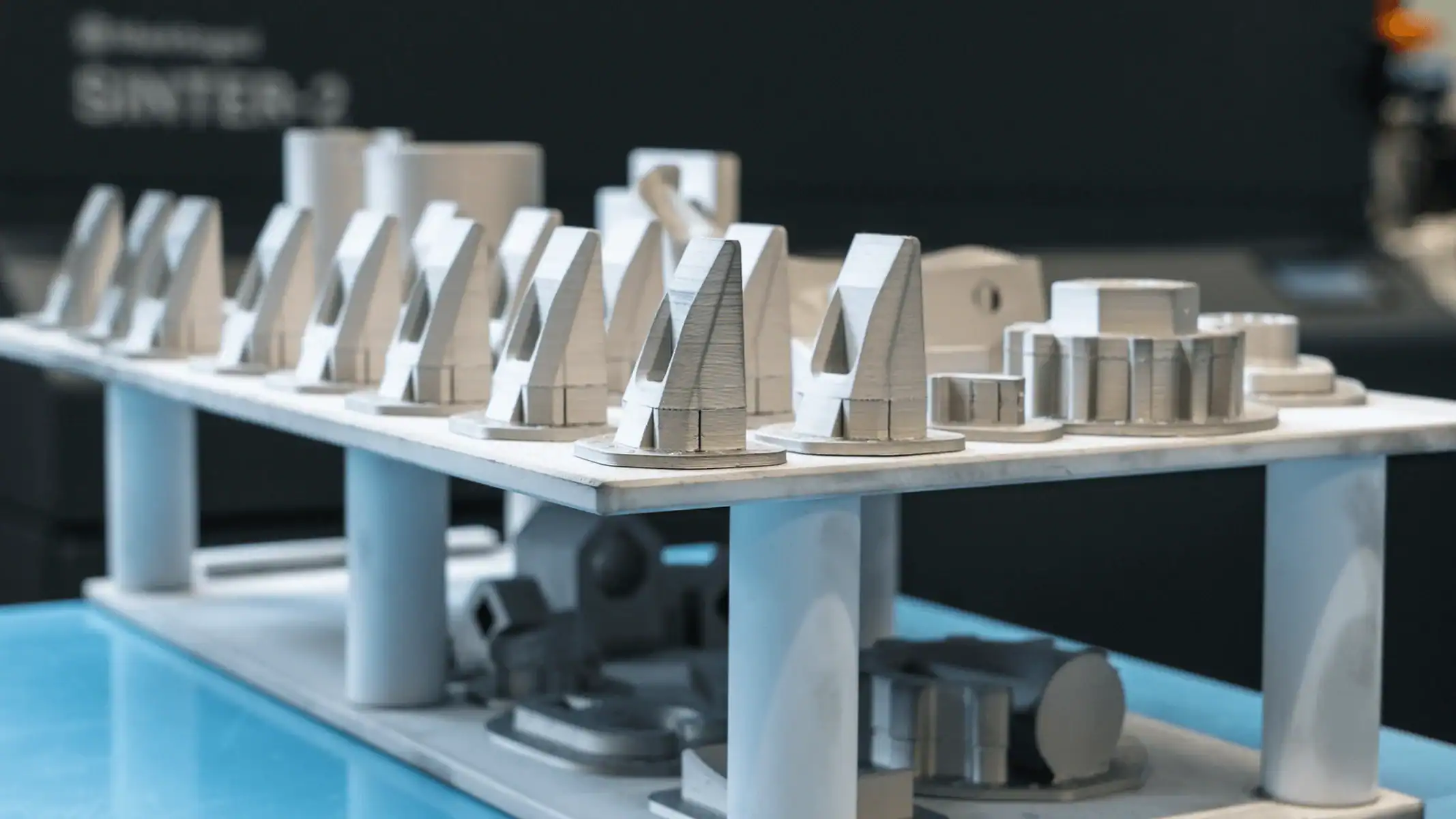
3D printing technologies have gained significant momentum in production processes in recent years and have revolutionized many industries. Specifically, 3D metal printing technology provides significant cost advantages in mold production and prototype design. In this article, we will explore how to achieve cost advantages in mold and prototype production with 3D metal printing. We will also provide in-depth information on how this technology works, the advantages it offers, and the benefits it brings to industries.
What is a 3D Metal Printer?
A 3D metal printer is a device that replaces traditional manufacturing methods by creating three-dimensional objects by bonding metal materials layer by layer. This technology uses computer-aided design (CAD) data to shape metal materials quickly and accurately. Metal 3D printers stand out for their ability to process metal alloys. These printers offer a faster, more flexible, and cost-effective solution compared to traditional manufacturing processes.
How Does a 3D Metal Printer Work?
The 3D metal printing process typically works through the following steps:
- Draft Formation: Initially, the product’s 3D model is created in a computer environment. This model is saved in formats such as STL, which the printer can understand.
- Material Selection: Materials such as metal powder or wire are chosen. Common materials include titanium, aluminum, stainless steel, and other alloys.
- Layer-by-Layer Printing: The metal 3D printer melts and shapes the selected material in fine layers using a laser or another energy source. This process continues with each layer being placed in succession.
- Post-Processing: After printing is completed, the parts are typically finalized with additional processes such as heat treatment or mechanical finishing.
This process generates less waste and allows for faster prototype creation compared to traditional methods.
What Can Be Done with a 3D Metal Printer?
Metal printing with 3D printers can be used in various areas, including:
- Prototype Production: Rapid prototypes can be produced before testing designs.
- Mold Production: Complex molds can be quickly manufactured, especially in the casting industry.
- Spare Part Production: Customized and hard-to-find spare parts can be produced.
- Mechanical Parts: Aerodynamic and structurally critical parts can be designed.
Thanks to 3D metal printing, these processes can be carried out with less time and cost.
Cost Advantages of Mold Production with 3D Metal Printing
Metal printers offer several cost advantages over traditional mold production methods:
- Reduced Raw Material Consumption: Traditional mold production uses excess material to create the mold. However, 3D metal printing technology minimizes waste by using only the necessary material.
- Faster Prototype Production: Speed is a significant advantage in mold and prototype production processes. A 3D metal printer allows mold production right after design, which speeds up prototype production.
- Lower Labor Costs: Traditional mold production requires high labor and time investment, while processes automated with 3D metal printing can be completed with less workforce, reducing labor costs.
- Flexibility and Customization: Mold production is usually limited to standardized designs. 3D metal printers allow for more flexible designs, making it easier and cheaper to produce customized solutions for each customer.
- Lower Investment Requirements: Traditional mold production requires expensive mold machines and lengthy production processes. By using a 3D metal printer, these investments are eliminated, making production more economical.
These advantages present great opportunities, especially for small-scale manufacturers and startups.
Benefits of 3D Metal Printing in Prototype Production
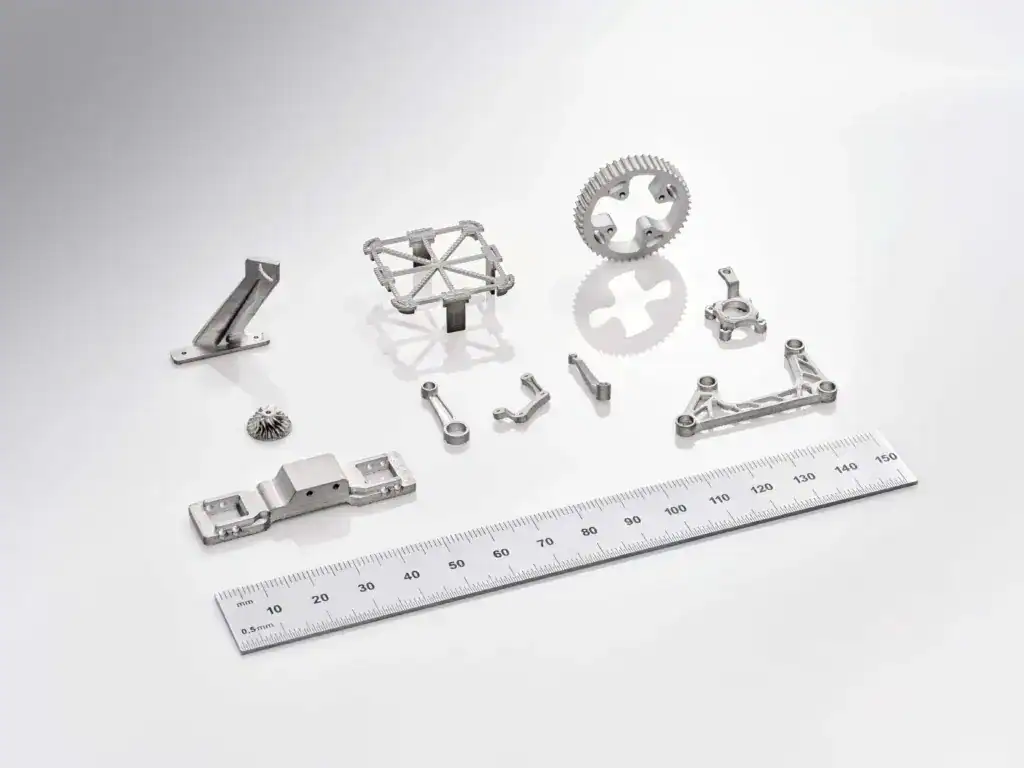
Metal 3D printers provide significant ease in prototype production. Compared to traditional methods, 3D metal printing is much faster, enabling designs to be quickly converted into physical models. Additionally, the process of testing and improving prototypes is accelerated, resulting in higher-quality prototypes at lower costs.
Other Advantages of 3D Metal Printers
- High Precision: Metal 3D printers provide extremely precise part production, which is crucial for projects requiring micro-level details.
- Faster Turnaround Times: Prototypes can be completed much faster than with traditional manufacturing processes.
- Custom Manufacturing: A metal printer allows you to create any type of geometric design, enabling personalized and unique products.
Industries Using Metal 3D Printers
- Automotive: Critical parts like engine components, chassis elements, and braking systems can be produced.
- Aerospace: Essential parts such as aircraft engines, wings, and landing gear can be produced.
- Healthcare: Personalized products such as prosthetics, medical devices, and implants can be designed.
Cost Advantages in Mold and Prototype Production with 3D Metal Printing
The cost advantages gained from using 3D metal printers for mold and prototype production will lead to increased adoption of this technology in the future. The rapid production, flexibility, and low-cost solutions offered by metal 3D printers make them strong candidates to replace traditional manufacturing methods. With Industry 4.0, 3D metal printing technology continues to advance and is increasingly used in more industries.
If you want to speed up your mold and prototype production processes and reduce costs by using 3D metal printing technology, you can contact 3D Promakim and learn more about tailored solutions.
By taking advantage of the benefits of 3D metal printing technology, you can manage your business in a more efficient and cost-effective way. Take action today to improve your business processes with 3D Promakim‘s innovative solutions!