Durable Material Selection in Industrial 3D Printing
#Jun 24, 2025
With the advancement of manufacturing technologies, 3D printing has expanded its use across industrial applications—from rapid prototyping to end-product manufacturing. However, the success of this technology depends not only on the printer’s specifications but also on the durability and performance of the materials used. In this article, we focus on the scientific and practical criteria for selecting the most suitable and durable materials for industrial 3D printing.
What Is 3D Printing?
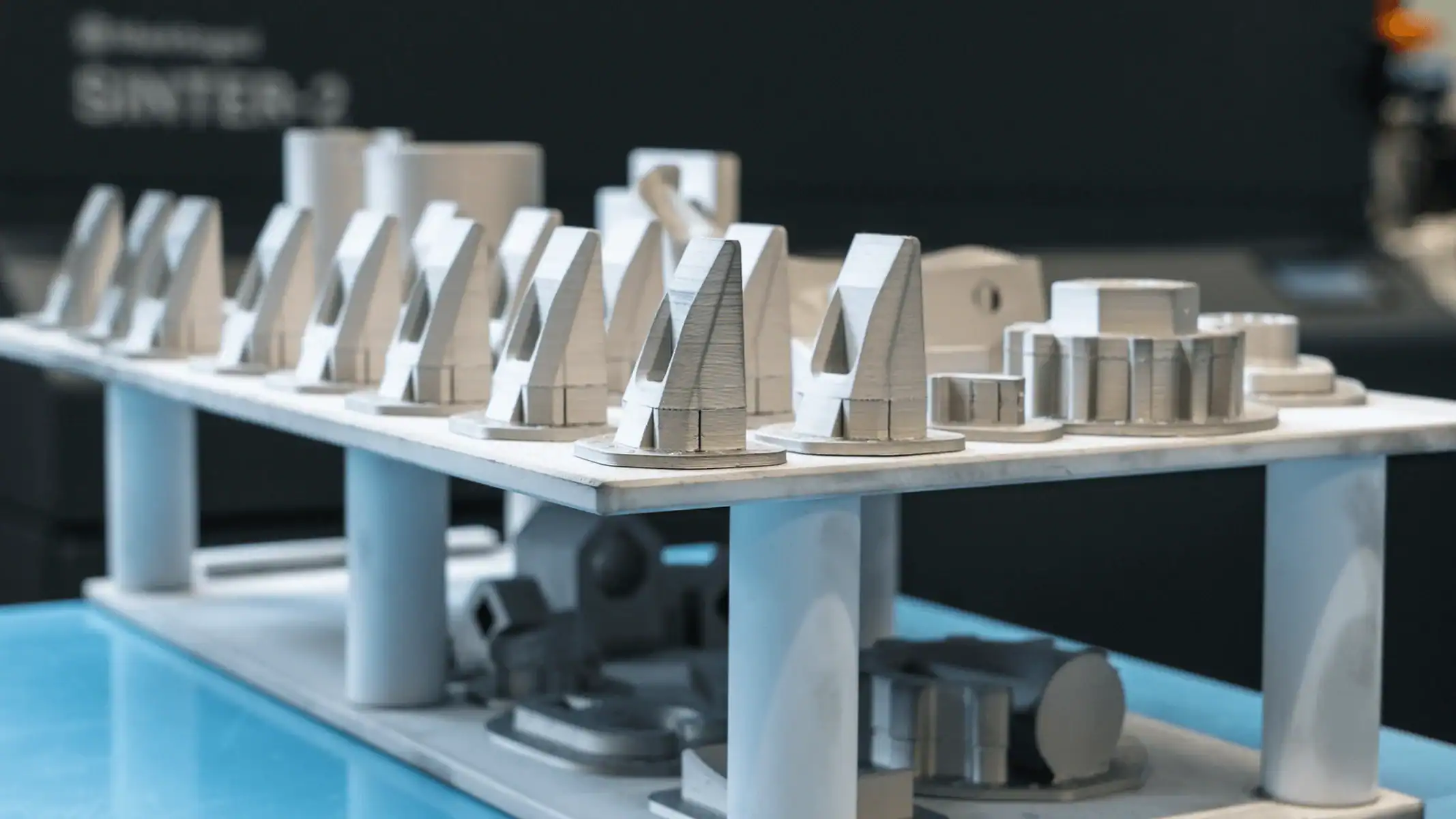
3D printing is an additive manufacturing technology that transforms a digital model into a physical object by building it layer by layer. It is widely used in industries such as automotive, aerospace, healthcare, and defense. The ability to produce complex and low-volume parts with cost efficiency and speed has significantly increased the appeal of this technology. However, material selection plays a crucial role in ensuring the functionality and durability of the final product.
What Are Common 3D Printing Materials?
Materials used in industrial 3D printing must withstand high temperatures, chemicals, and mechanical loads. When selecting a material, the following criteria should be considered:
- Tensile and impact strength
- Thermal resistance
- Chemical durability
- Wear and friction performance
- Surface quality and post-processing compatibility
Here are some of the most commonly used materials:
- ABS (Acrylonitrile Butadiene Styrene): Suitable for parts requiring high impact resistance and mechanical strength.
- Nylon (PA): Known for its flexibility, wear resistance, and low friction coefficient.
- PETG: Popular due to its chemical resistance and ease of processing.
- PEEK: An advanced engineering plastic used in aerospace and medical fields with high temperature and radiation resistance.
- Polycarbonate: Ideal for applications requiring both durability and transparency.
How to Select 3D Printer Materials for Industrial Use
When selecting 3D printer materials, it’s not enough to rely solely on technical datasheets. Variables such as application area, environmental conditions, and usage frequency must also be analyzed. For example:
- For high-temperature parts, PEEK or ULTEM polymers are ideal.
- For moving parts exposed to friction, nylon or carbon fiber-filled filaments are recommended.
- For food-contact parts, FDA-approved PETG is suitable (source: FDA.gov).
Some engineering materials may require post-processing such as heat treatment or coating. Therefore, compatibility with post-production processes must be considered during the design stage.
How to Compare 3D Printing Materials in Terms of Durability
Choosing the right material for industrial 3D printing requires engineering-level analysis. Key comparison metrics include:
- Tensile Strength
- Young’s Modulus (Elasticity)
- Glass Transition Temperature
- Density and Specific Gravity
- Layer Adhesion Strength
For instance, PEEK has a tensile strength of approximately 90–100 MPa, while ABS averages around 40 MPa. PEEK can operate at temperatures up to 250°C, whereas PLA may deform at just 60°C (source: MatWeb.com).
Hence, regardless of the product’s purpose, mechanical and thermal performance comparisons must be made based on scientific data.

Which Industries Use 3D Printing Materials?
3D printer materials are utilized across multiple industries in the following ways:
1. Automotive Industry
- Prototyping
- Functional testing components
- Lightweight and heat-resistant parts
2. Aerospace & Defense
- High-strength structural parts
- Lightweight composite materials
- Metal-filled filaments
3. Healthcare Sector
- Orthopedic implants (e.g., PEEK)
- Custom-made prosthetics
- Sterilizable medical devices
4. Consumer Electronics
- Custom casings and housings
- Functional product designs
- Heat-resistant internal components
This diversity highlights the importance of the material portfolio offered by expert brands like 3D Promakim. With its wide range of 3D printing solutions, 3D Promakim fully meets the specific needs of various industries.
Why Choose 3D Promakim?
Selecting the right material is a key factor in industrial success. 3D Promakim is more than just a supplier—it is your technical solution partner. Here’s what the brand offers:
- A broad range of engineering-grade materials
- Application-specific technical consultancy
- High-quality and certified products
- Supply chain integration with cutting-edge technologies
Right Material, Long-Lasting Production
In industrial 3D printing, success lies not only in technology but in material knowledge, engineering, and expertise. The durability, functionality, and production efficiency of a part are directly tied to the material chosen.
By accurately analyzing your technical requirements and choosing the right 3D printing material, you can both enhance quality and reduce costs.
Contact 3D Promakim today to explore efficient and long-lasting production solutions tailored to your industry. Elevate your manufacturing with the right material, the right brand, and the right expertise!