What is 3D Metal Printing Technology? How Does It Differ from Traditional Manufacturing?
#Feb 12, 2025

In today’s manufacturing world, 3D metal printing technology continues to revolutionize the industry. Compared to traditional manufacturing methods, metal printing technologies offer more flexible, efficient, and sustainable production processes. But what exactly is 3D metal printing, and how does it transform production processes? In this article, we will explore the fundamental principles of metal 3D printing, its advantages, and how it differs from traditional manufacturing methods.
What is 3D Metal Printing Technology?
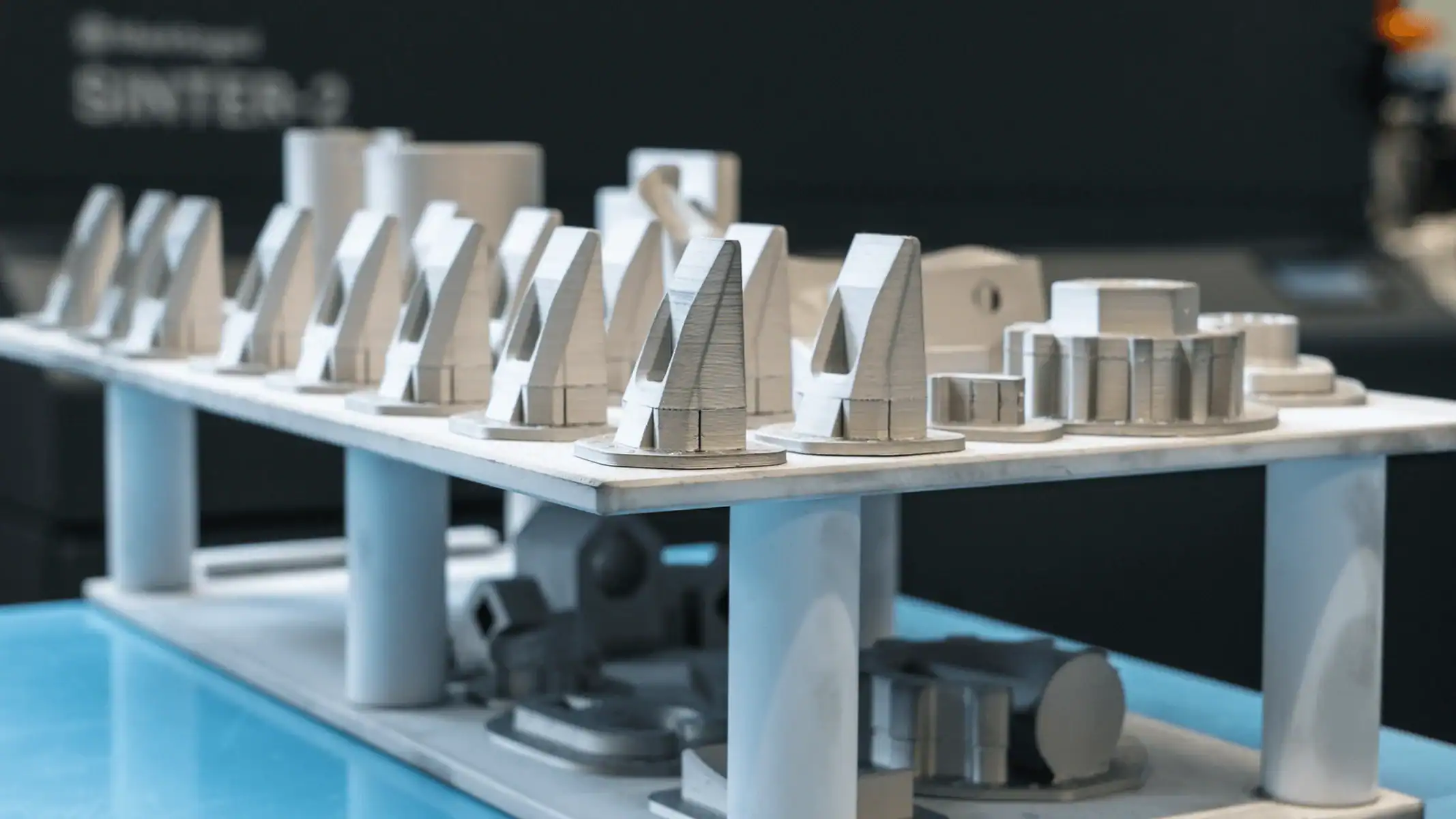
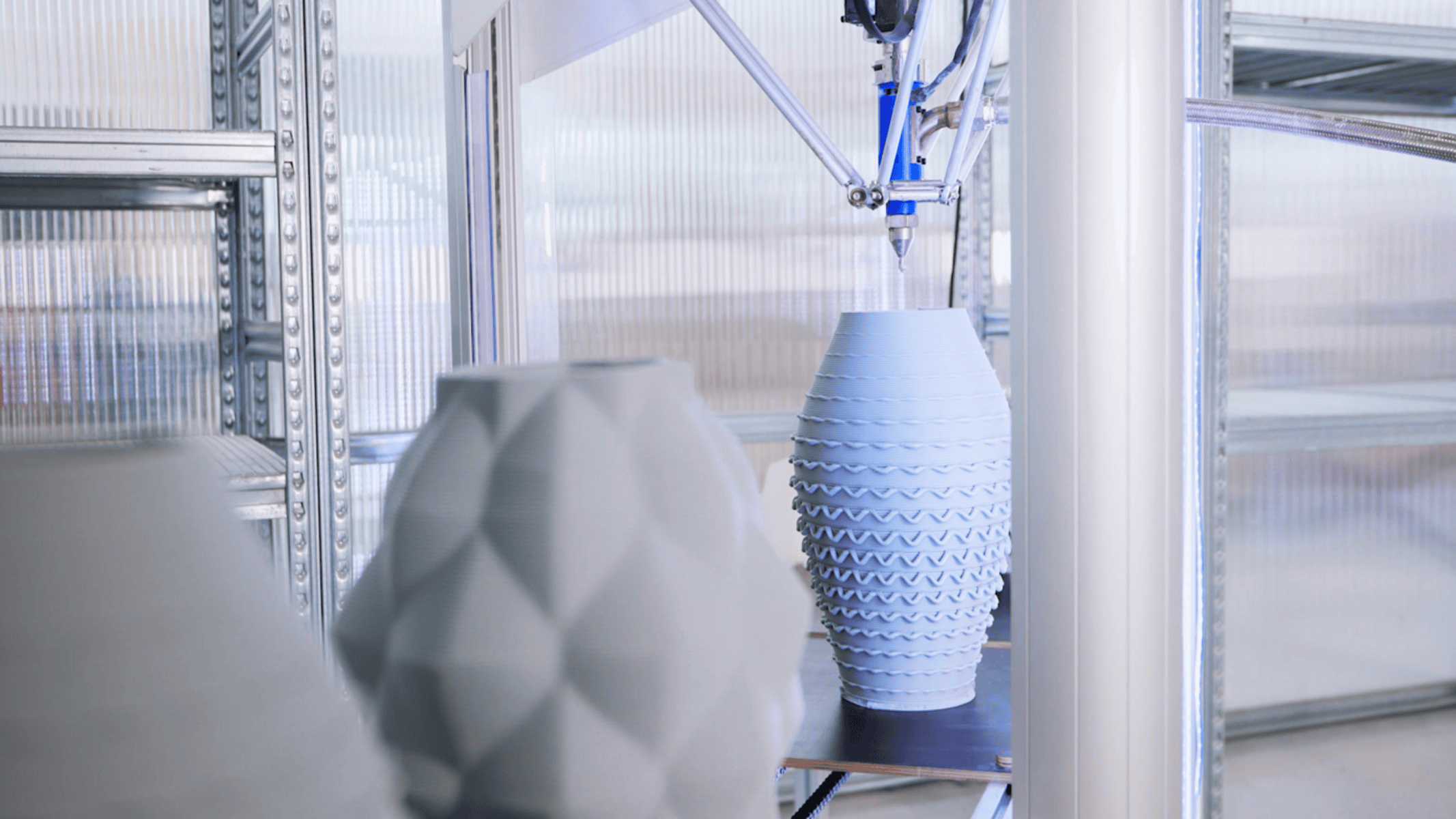
3D metal printing technology is based on the Additive Manufacturing (AM) principle, which involves melting metal powders or wires layer by layer to create a product. Unlike traditional casting, milling, and machining methods, this process uses the principle of material addition rather than subtraction.
The most commonly used methods in 3D metal printing include:
- Selective Laser Melting (SLM)
- Metal Fused Filament Fabrication (Metal FFF)
- Direct Metal Laser Sintering (DMLS)
- Electron Beam Melting (EBM)
- Binder Jetting
These methods are widely used in aerospace, automotive, medical, and defense industries.
How Does 3D Metal Printing Differ from Traditional Manufacturing?
Traditional manufacturing methods often rely on subtractive manufacturing techniques, such as machining or casting. In contrast, 3D metal printing builds objects by adding material, leading to several key advantages:
1. Reduced Material Waste
Traditional manufacturing techniques generate significant waste as excess material is cut or carved away. Metal 3D printing minimizes waste by using only the required material.
2. Production of Complex Geometries
With traditional methods, intricate or hollow structures can be challenging or impossible to manufacture. 3D printing allows for the easy production of highly detailed and complex parts.
3. Rapid Prototyping
In R&D processes, quickly testing design changes is essential. Metal 3D printing enables prototype production in hours instead of days or weeks.
4. Lightweight and Durable Components
The use of materials like titanium and aluminum significantly reduces component weight while maintaining strength. This is a major advantage in the aerospace and automotive industries.
5. Lower Production Costs
Traditional manufacturing involves high tooling and labor costs, whereas 3D metal printing is more cost-effective for low-volume production.

What Metals Can Be Used in 3D Printing Technologies?
3D metal printing technology supports various metals to cater to different industries. The most commonly used metals include:
- 17-4 PH Stainless Steel – Known for its high strength, corrosion resistance, and hardenability, widely used in aerospace and industrial applications.
- Copper – Due to its excellent electrical and thermal conductivity, copper is used in electrical connections, cooling systems, and industrial components.
- Aluminum – A lightweight metal widely used in automotive and aerospace technologies.
- Cobalt-Chrome – Commonly used in dental prosthetics and biomedical applications.
- Inconel 625 – A nickel-based superalloy with high-temperature resistance, exceptional corrosion resistance, and mechanical strength, making it ideal for aerospace, marine, and chemical industries.
These materials provide flexibility in production and offer specific advantages depending on the industry.
The Future of 3D Metal Printing Technology
Globally, more companies are optimizing their production processes using 3D metal printing technology. With the rise of automation and AI-assisted design, this technology will become even more widespread in the future.
Upcoming Developments in 3D Metal Printing:
✅ Increased production speed
✅ Development of more cost-effective materials
✅ Expansion of large-scale metal printing machines
✅ Advancement of sustainable production solutions
These improvements will create significant opportunities for companies offering metal 3D printing services, making production processes more eco-friendly and efficient.
Key Considerations When Choosing a 3D Metal Printing Service
Before selecting a metal 3D printing service, consider the following important factors:
- Material Quality – The purity and quality of metal powders directly affect the durability of the final print.
- Machine Capabilities – High-precision components require advanced 3D printers.
- Experience of the Service Provider – Choose an industry-expert company like 3D Promakim for reliable results.
- Delivery Time & Cost – Evaluate the service provider’s lead times and cost benefits.
These factors are essential when selecting the right 3D metal printing service provider. Leading companies in this field offer high-quality, professional solutions.
Conclusion & Recommendations on 3D Metal Printing Technology
3D metal printing is a revolutionary technology shaping the future of manufacturing. Compared to traditional methods, it offers greater flexibility, sustainability, and cost advantages, driving significant changes across industries.
If you are looking for the best 3D printing system solutions for your business, 3D Promakim provides expert support. For tailored solutions, visit our contact page for more information.
🚀 Ready to revolutionize your production with 3D metal printing technology? Take action now! 🚀