Which Materials Should Be Preferred for Part Production with Metal 3D Printers?
#May 29, 2025
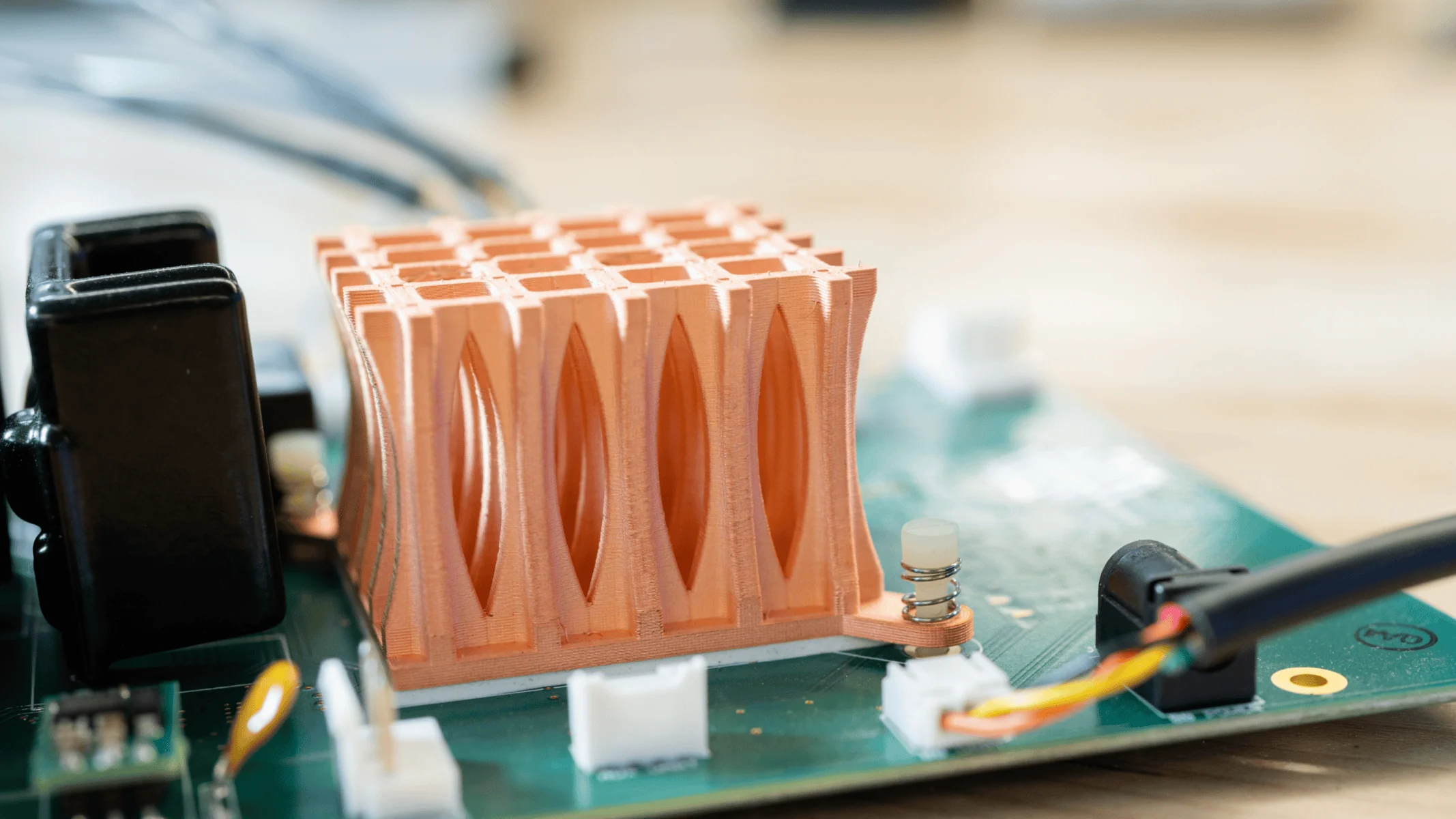
Metal 3D printing technologies have been a pioneer of profound changes in the manufacturing world. Surpassing the limits of traditional manufacturing techniques, this technology offers advantages such as high precision, flexibility, and reduced production time. However, one of the key factors for success in metal 3D printing is the correct choice of material. Each material has unique physical, chemical, and mechanical properties that directly affect part performance.
In this article, we comprehensively discuss the most commonly preferred materials for part production with metal 3D printers, their applications, and the criteria to consider when selecting the right material.
Main Materials Used in Metal 3D Printing Technology
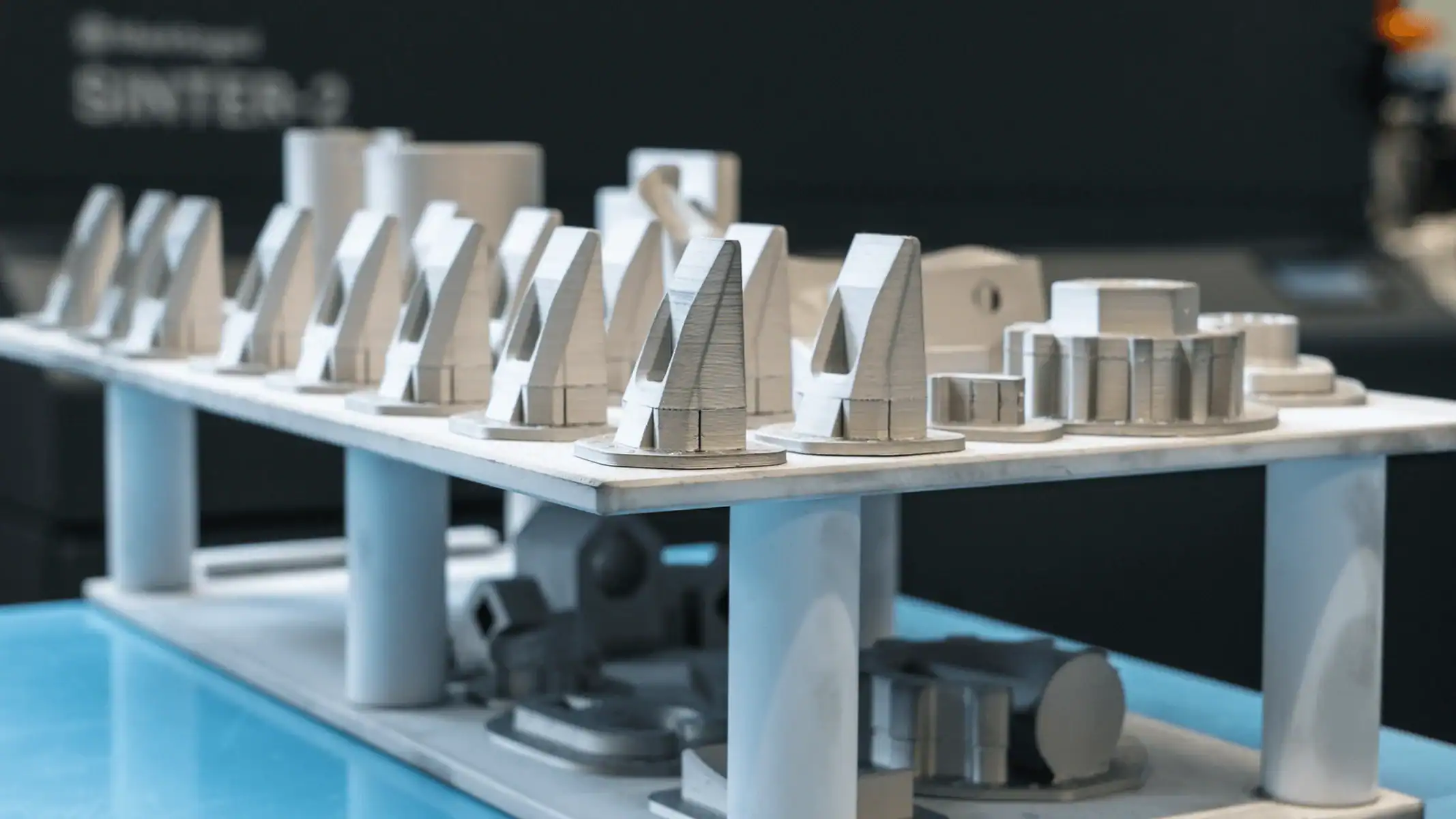
Metal 3D printers generally work by melting metal powder layer by layer. This technology is applied through methods such as Selective Laser Melting (SLM), Direct Metal Laser Sintering (DMLS), and Electron Beam Melting (EBM). Some commonly used metals in these systems include:
- Stainless Steel (316L and 17-4PH)
Stainless steel stands out for its durability and corrosion resistance. Particularly, 316L alloy is preferred for medical implants, chemical equipment, and food processing machines. The 17-4PH type is heat-resistant and can undergo thermal treatment, offering a broad range of applications with a favorable price/performance balance. - Aluminum (AlSi10Mg, 6061, 7075)
Aluminum alloys are known for their lightweight and good mechanical strength. AlSi10Mg is an aluminum alloy optimized for 3D printing. It is widely used in automotive and aerospace sectors for structural parts. Additionally, it provides high thermal conductivity and ease of surface finishing. - Titanium (Ti-6Al-4V)
Titanium alloys are favored for their high strength-to-weight ratio, biocompatibility, and excellent corrosion resistance. They are commonly used in medical implants and aerospace sectors, including bone implants, orthopedic devices, and aircraft engine components. - Inconel (625 and 718)
Inconel 625 and 718 are nickel-based superalloys that maintain mechanical strength at high temperatures and resist oxidation. Therefore, they are used in gas turbines, space vehicles, engine parts, and energy production facilities. - Cobalt-Chrome (CoCrMo)
Known for its high wear resistance, biocompatibility, and corrosion resistance, this material is frequently used in dentistry and orthopedic applications. Its hardness allows for the production of long-lasting parts.
Material Selection Based on Application Areas
- Aerospace and Aviation
In these sectors, lightweight, thermal resistance, and mechanical strength are paramount. Titanium and Inconel alloys meet the high-performance and low-weight requirements, making them ideal for aircraft engines, fuel systems, and structural components. - Automotive Industry
Vehicle lightness is essential to improve fuel efficiency. Hence, aluminum and sometimes stainless steel are used. Metal 3D printing’s flexibility also offers advantages for prototyping and customized part production. - Medical Sector
Materials must be fully compatible with the human body, non-toxic, and durable. Titanium and cobalt-chrome alloys are widely used, especially for personalized solutions like bone implants and dental prostheses, where 3D printing offers significant benefits. - Energy and Petrochemical
Materials resistant to high temperatures and aggressive chemicals, such as Inconel, are preferred for parts operating in harsh environments. These materials are used in piping systems, turbine components, and reactor parts.

Criteria to Consider When Choosing Materials
Selecting the right material directly impacts the part’s lifespan, functionality, and production cost. The following factors should be considered:
- Mechanical Strength: The material must withstand the expected loads, impacts, and stresses.
- Operating Environment: Environmental factors such as temperature, humidity, and chemical exposure should be accounted for.
- Machinability: If post-processing is required, materials compatible with these processes should be selected.
- Biocompatibility: For parts used in the human body, compliance with ISO and ASTM standards is essential.
- Cost: Material price, printing time, and waste rate should be considered to fit the budget.
Correct Material Selection with 3D Promakim
3D Promakim is a specialized solution partner in metal 3D printing technologies. Alongside SLM and DMLS-compatible devices, it supplies high-quality metal powders such as titanium, stainless steel, aluminum, and Inconel. Additionally, it provides engineering support during the material selection process to help you find the optimal solution for your sector.
Thanks to its expertise in material, printer, and software integration, 3D Promakim offers end-to-end solutions, not just products. For more information or expert assistance, you can visit the 3D Promakim website or contact them via the inquiry page.
Increase Your Production Power in Metal 3D Printing with the Right Material Choice
When combined with the correct material selection, metal 3D printing technologies enable high quality, speed, and efficiency in production processes. Each sector and part has different needs; therefore, instead of a one-size-fits-all approach, application-specific analysis and expert advice are required. Correct choices considering factors like weight, strength, temperature tolerance, biocompatibility, and cost will give your production a competitive edge.
3D Promakim is here to simplify this process and ensure you achieve reliable results. Start your production journey now with the right material and the right solution to advance your technology into the future!